A corporate equipment storeroom is a place where two things happen at once: people queue to receive a thirty-shekel item, and stock disappears without anyone knowing where.
Automated dispensing addresses both, but not every item suits a machine, and not every organization gains from one. This guide explains where the line runs.
Which items fit
An item suits a dispensing machine if it meets three conditions: it is consumed frequently, it is standard and needs no fitting, and it is small enough to sit in a compartment.
IT consumables, small hand tools, personal protective equipment, office supplies and batteries all fit precisely. Large items, unusually expensive ones, or anything requiring manual inspection before handover, less so.
A practical rule: if the request for this item comes up more than once a week and nobody really checks it, it is a candidate for a machine.
Dispensing versus lending: two different machines
This distinction determines which system you need. Dispensing is one-way: the item goes out and doesn't come back. Lending is two-way: the item goes out and is meant to return.
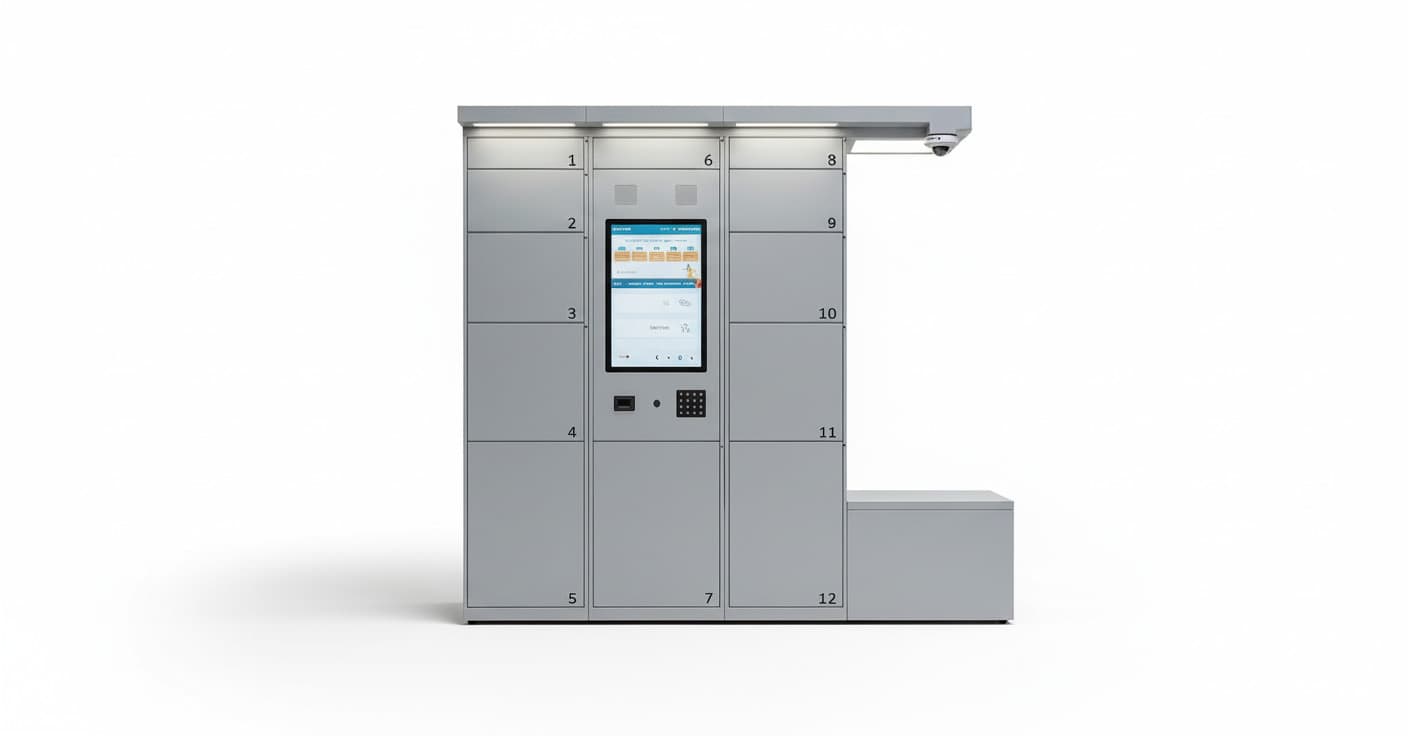
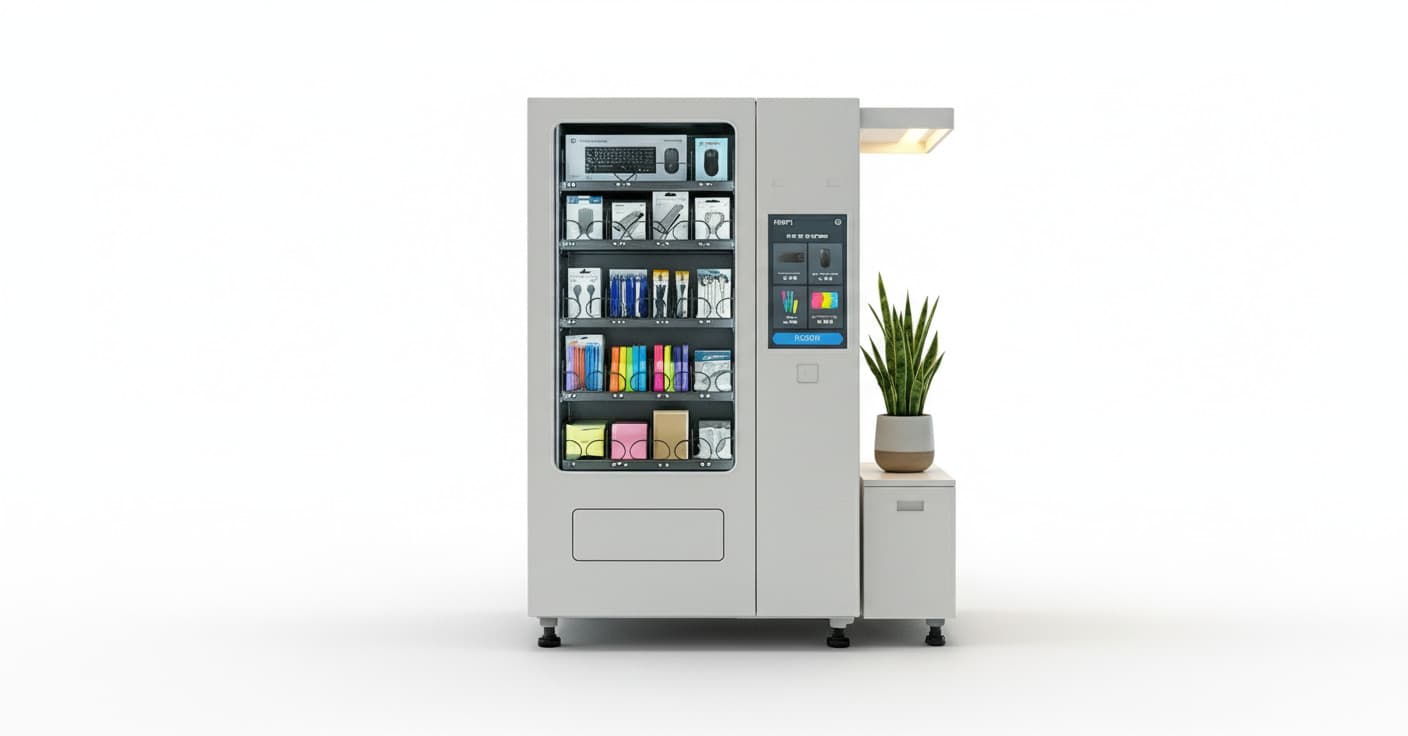
One-way dispensing suits a machine with a delivery mechanism holding hundreds of items in a small footprint. Lending suits a bank of compartments that can take the item back and verify it was returned.
Many organizations need both, and then the question is which management system holds them. One is better than two.
What happens to consumption once you record it
The result that most surprises organizations isn't the time saved but the drop in consumption. When every withdrawal is recorded against a person, consumption falls on its own, with no new policy and no enforcement.
Beyond that, for the first time there is data: who consumes what, in which department, and how often. That changes purchasing too, because you can order against real consumption rather than an estimate.
Which brings in a technical point worth confirming up front: does the system connect to your existing inventory management, or is it an island with its own spreadsheet.
- The cost of each withdrawal is attributed to the department that consumed it.
- Quotas can be set per employee or per department, for a period.
- A stock threshold raises an automatic alert before an item runs out.
- Consumption reports are pulled by item, department and period.
Frequently asked questions
How many items fit in one dispensing machine?
A standard configuration holds up to several hundred items in one unit, depending on item size and the number of coils. A compact configuration exists for smaller volumes.
Can we limit how many items an employee receives?
Yes. You can set a per-employee or per-department quota for a period, and block withdrawals beyond it or require manager approval.
What's the difference between a dispensing machine and an equipment locker?
A dispensing machine issues an item and doesn't expect it back, so it is dense and holds many items. An equipment locker is built for lending and returning, so it has larger compartments and a module that takes the item back.