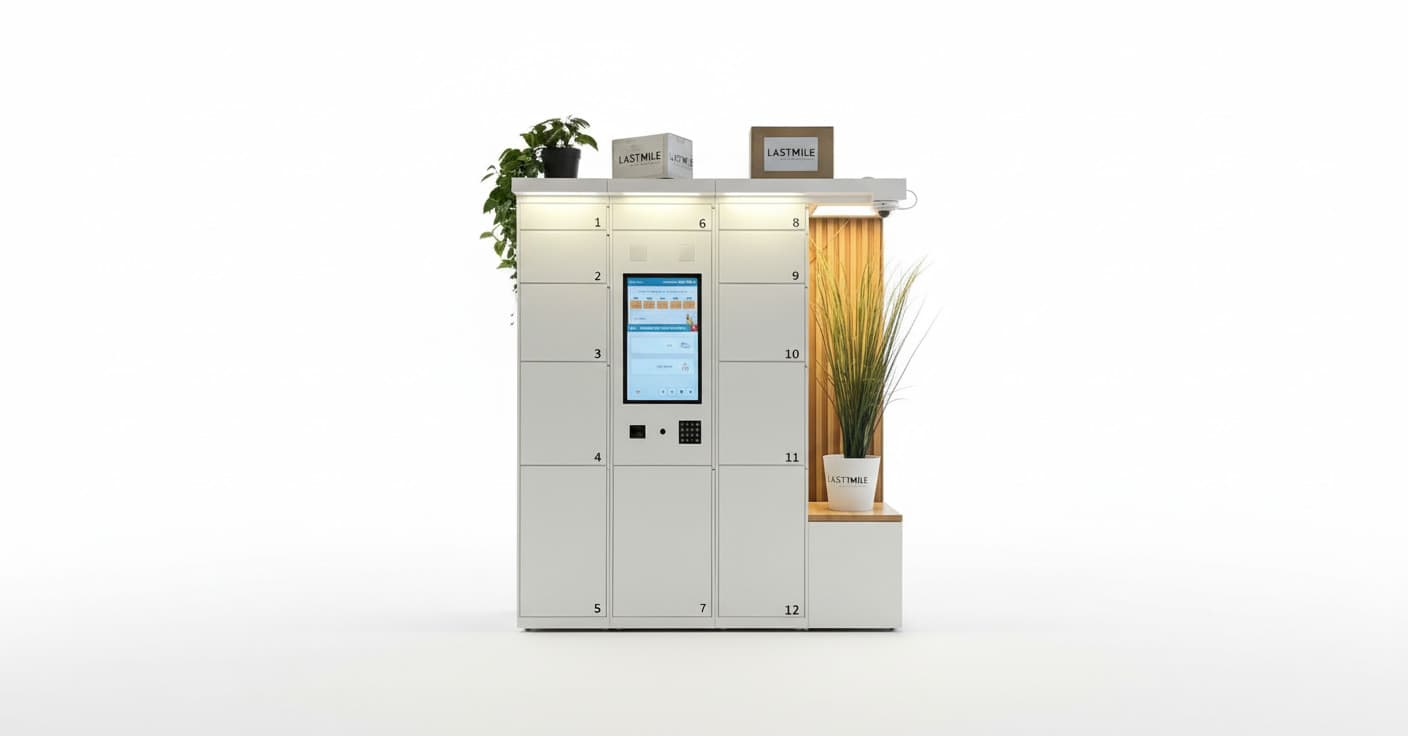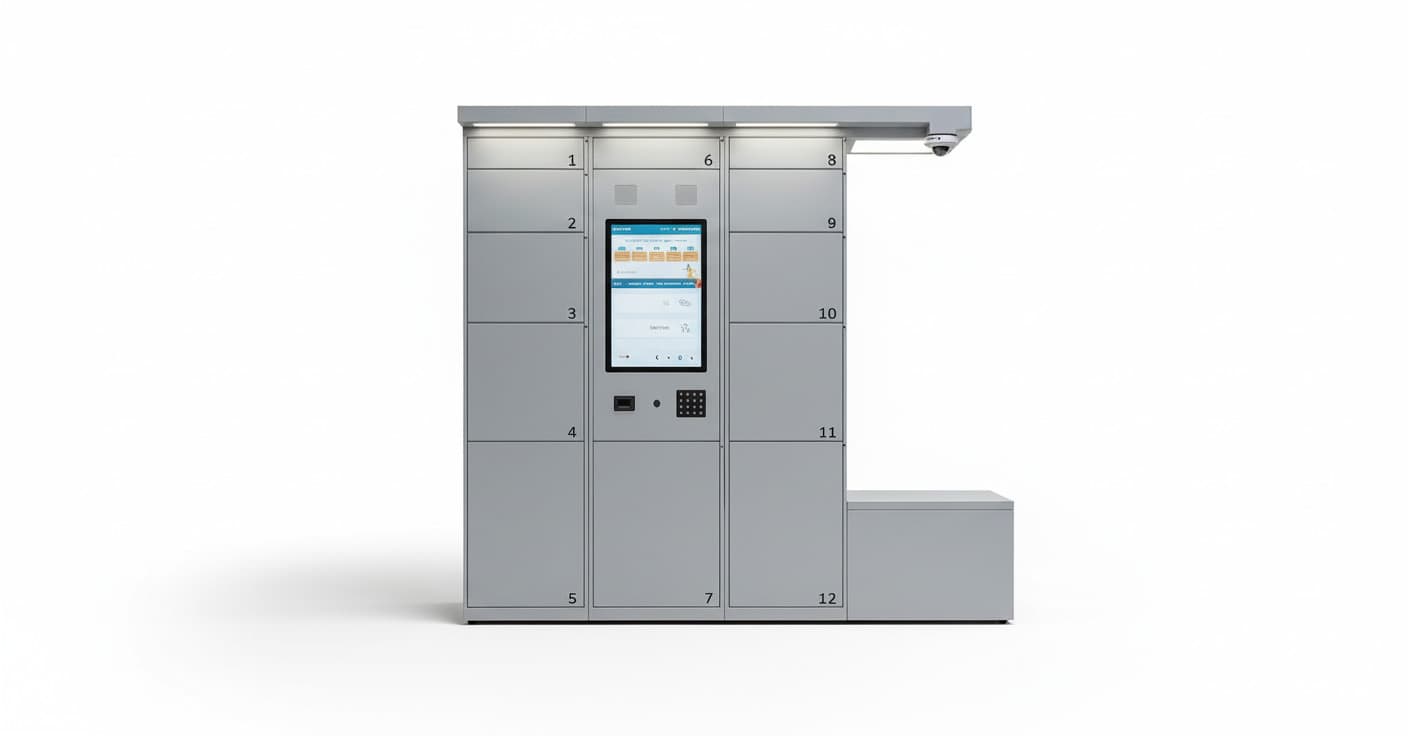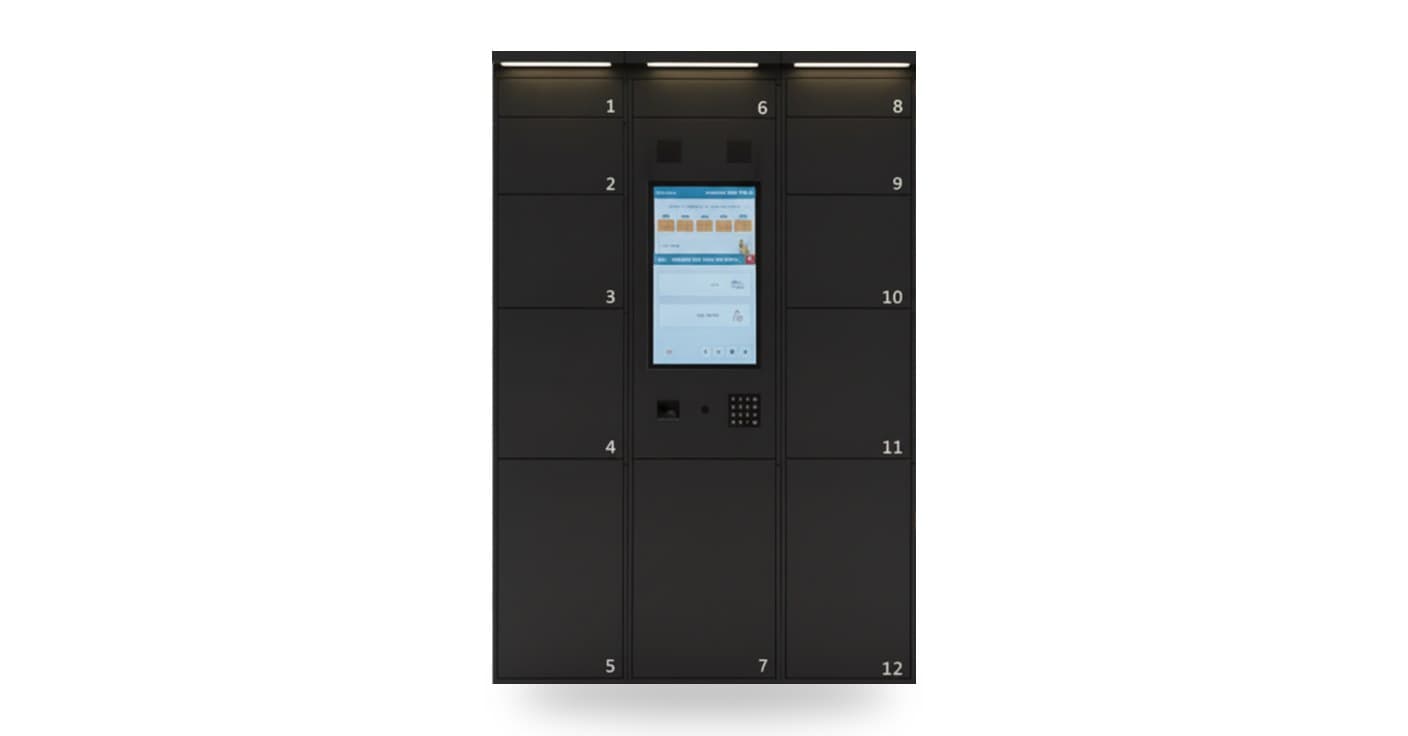
The term smart locker today covers systems that are very different from one another: mailboxes, parcel lockers, key cabinets, dispensing machines, safes and personal lockers. All of them are a cabinet with compartments and software, and beyond that they solve entirely different problems.
This guide is built as a sequence of questions. Answer them in order and the right system type becomes almost self-evident, and comparing quotes turns into comparing like with like.
1-3: what moves through the system
The first question is what exactly gets deposited and withdrawn. A parcel arrives from outside and is collected once; a key is taken and returned dozens of times; a consumable goes out and never comes back. Each pattern implies a different system.
The second is who the parties are. Two strangers who never meet, a courier and a resident, call for a handover system. The same person depositing and retrieving calls for a personal locker. An organization issuing to an employee calls for permission control.
The third is volume: how many transactions a day. Ten a day and two hundred a day produce completely different requirements for compartment count, lock durability and bandwidth.
4-6: identification, and who administers
The identification method is the decision that most shapes the user experience. An SMS code suits a one-off user who never registered; an employee card or RFID tag suits daily use; an app adds history and notifications. Most systems support several in parallel, and it is worth checking that yours does.
The fifth question is who actually administers the system. A building superintendent, a facility manager, a security officer and an external management company each need different screens and different permissions.
The sixth is integration: does the system need to talk to inventory, to access control, or to the organization's HR system. If so, that belongs in the first conversation with the supplier, not after installation.
7-9: siting, maintenance, and what happens when something breaks
The seventh is physical: indoors or out, wall or floor mounted, and what the route in looks like. An outdoor unit needs sealing and sun resistance; a wall-mounted one saves floor space but limits compartment size.
The eighth is service. What is the response time, are spare parts held in the country, and who shows up, the manufacturer's technician or a subcontractor. A local manufacturer has a structural advantage here over an importer.
The ninth, and the most forgotten: what happens when connectivity or power drops. A good system keeps working locally and syncs afterwards, and allows a controlled, recorded emergency opening.
How to compare quotes
Quotes for compartment systems are almost never directly comparable, because each supplier splits hardware, software, installation and service differently. The way to neutralise that is to ask every supplier to price against the same structure.
Once the numbers line up, the real difference between quotes is usually not price but who will still be standing behind the system in three years.
- Hardware cost per unit, and separately the cost of each additional compartment.
- Software cost: one-off or annual subscription, and what it includes.
- Installation, power and connectivity: who does it and what is excluded.
- Warranty: how many years, and exactly what it covers.
- Ongoing service: a defined response time, not general wording.
- Customization of colour, branding and compartment sizes, included or extra.
Frequently asked questions
What is the difference between a smart locker and a regular one?
A regular locker opens with a key or a fixed code and has no idea who opened it. A smart locker identifies the user, allocates a compartment dynamically, records every opening and reports to a central management system.
How much does a smart locker system cost?
Price derives from compartment count, configuration and software tier, so a general range says little. What does help is asking every supplier to price against the same line-item structure, so the comparison is real.
Can the locker be matched to the building's design?
Yes. The body and compartments can be painted in any RAL shade, and branding, lighting and custom compartment sizes can be added. With a local manufacturer this happens in production rather than as a layer stuck on afterwards.
How long from order to installation?
With a local manufacturer the typical range is measured in weeks rather than months, because there is no overseas shipment to wait for. Significant customization, and the site's power and network readiness, are what usually set the schedule.