When a contractor hands over a new building, or a house committee replaces the mailboxes in the lobby, the first requirement raised is "standard-compliant boxes". The standard in question is Israeli Standard 816, and it defines what counts as a valid mailbox in an Israeli residential building.
This guide explains what the standard actually requires, where it meets the planning and building regulations, and where it stops, because it was written for a world of letters, and most of what arrives at a building today is parcels.
What the standard actually defines
Standard 816 covers apertures for the delivery of letters and mail items, and defines their structural, functional and safety requirements. It balances three interests: securing the recipient's mail, safety and convenience for that recipient, and ergonomics and efficiency for the delivery worker who has to fill dozens of boxes per building.
In practice that translates into concrete requirements: minimum internal compartment dimensions, how the door opens, the type of lock, resistance to intrusion, and clear marking of the apartment number.
- Compartment size derives from fitting an A4 envelope without folding it.
- Every compartment has its own lock, and only the resident holds the key.
- The delivery slot is wide enough for daily mail, and narrow enough that nothing can be fished back out.
- Each compartment carries a legible, permanent apartment number.
Where the standard meets the building regulations
The standard itself is a technical document. What makes it binding is the planning and building regulations, which require mailboxes in every new residential building and refer to the standard for how they are installed.
Two practical questions follow, and every house committee runs into both: where the bank of boxes may be placed, and at what height. The guiding rule is that boxes sit at the entrance or in the lobby, reachable by the delivery worker without entering private space, and within a height range every resident can reach, including residents using a wheelchair.
What the standard doesn't solve: parcels and registered mail
This is where the standard ends and the real 2026 problem begins. A compartment designed for an A4 envelope will not take a parcel from an online store, or even a padded envelope. Registered mail requires a signature, meaning the resident has to be physically present during working hours.
Every house committee knows the result: parcels stacked on the lobby floor, couriers leaving deliveries by the door, and residents driving to the post office because of a notice about mail that couldn't be handed over. The boxes comply with the standard, and the problem remains.
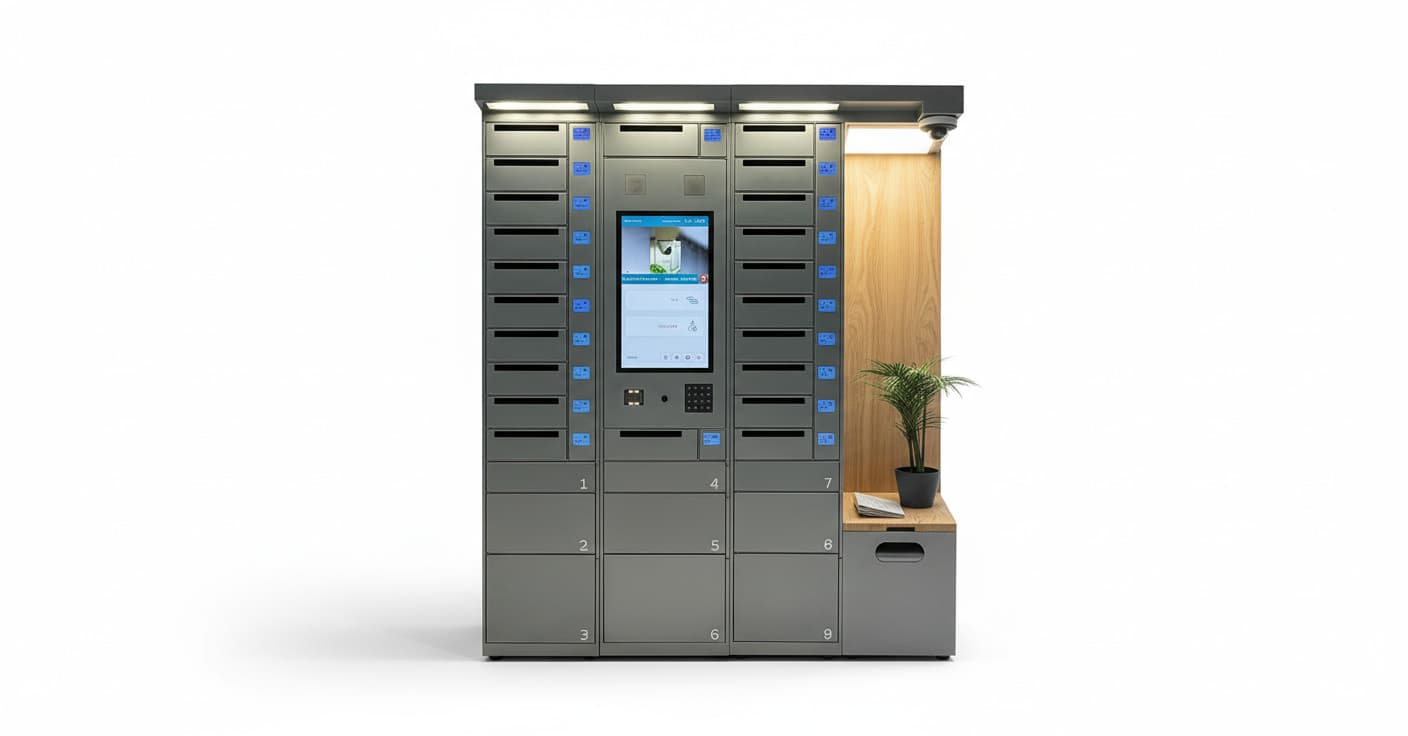
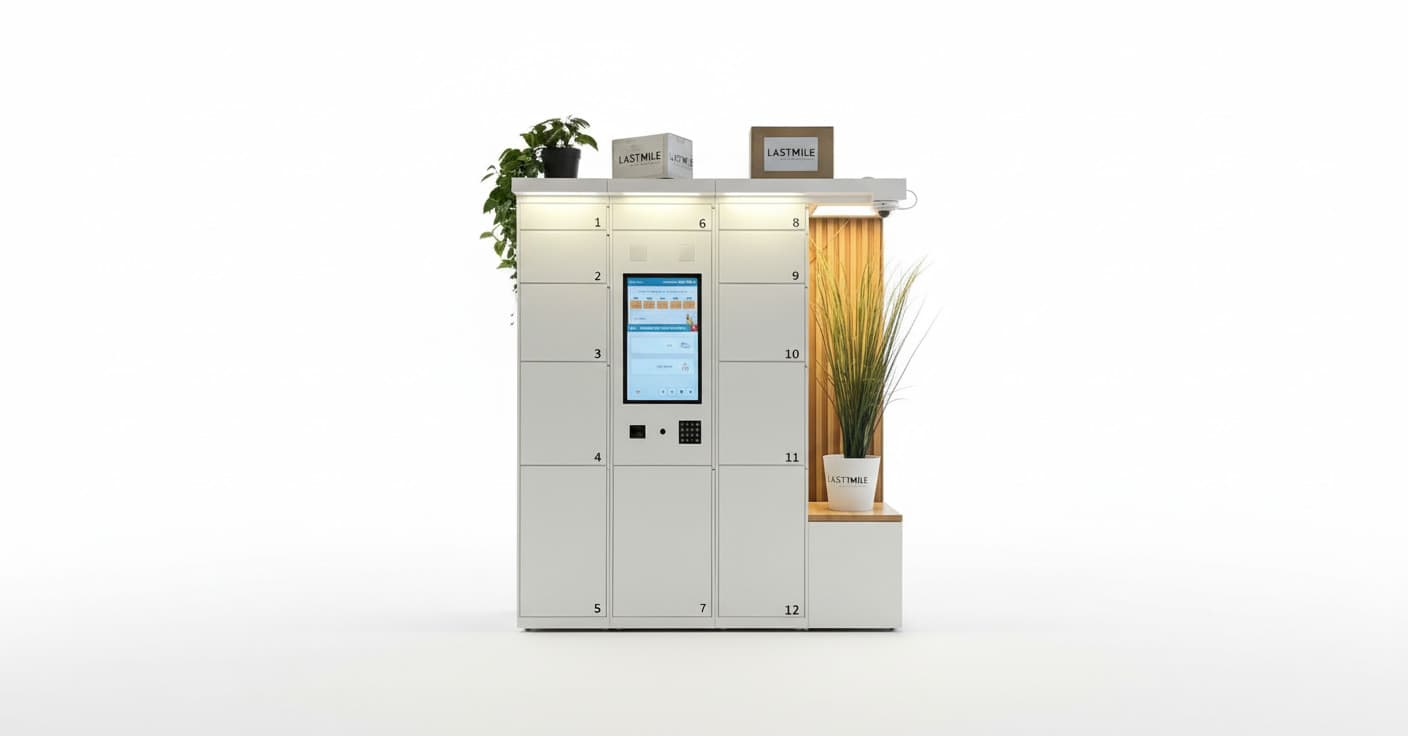
That is exactly the gap a smart mailbox is built to close: it keeps the familiar box layout for letters, and adds large parcel compartments, registered-mail handling, and an SMS to the resident the moment something is deposited for them.
A checklist before you order
Whether you choose conventional boxes or a smart system, these are the questions that prevent an argument after installation:
- How many units are in the building, and how many boxes are actually needed (including future apartments)?
- Is there room in the lobby for a parcel module alongside the letter boxes?
- Does the face open inward to the lobby or outward to the street, and who is meant to reach it from which side?
- Who holds the keys, and what happens when a resident moves out?
- Does the planned location have power and connectivity?
- Who is responsible for service and maintenance after installation, and how fast is a service call?
Frequently asked questions
Are Standard 816 mailboxes mandatory?
In a new residential building the planning and building regulations require mailboxes, and the standard is the document defining their requirements. In an existing building, switching to compliant boxes is usually a house-committee decision, but it is a practical condition for regular mail delivery.
What compartment size does Standard 816 require?
Compartment dimensions derive from fitting an A4 envelope without folding. The exact figures appear in the standard itself and vary by box type. Before ordering, confirm with the manufacturer that the specific model meets them.
Does a smart mailbox meet the standard?
A smart system meant to replace lobby boxes includes a letter module designed to the standard's requirements, alongside parcel compartments the standard doesn't address at all. Ask the manufacturer to address the letter module explicitly.
Who pays to replace mailboxes in a shared building?
Lobby mailboxes are common property, so the cost is split between residents according to the general meeting's decision and the building's bylaws. In a new building the cost is usually included in the contractor's handover.