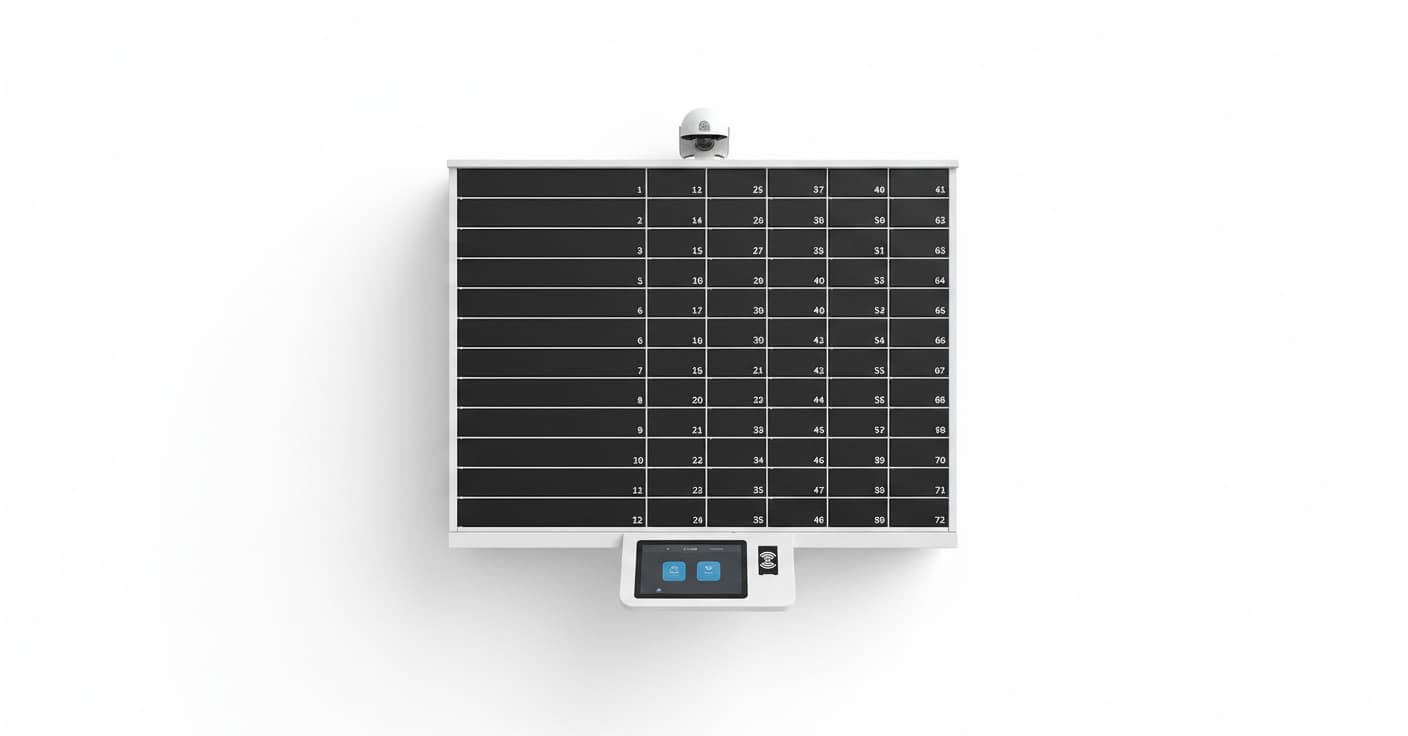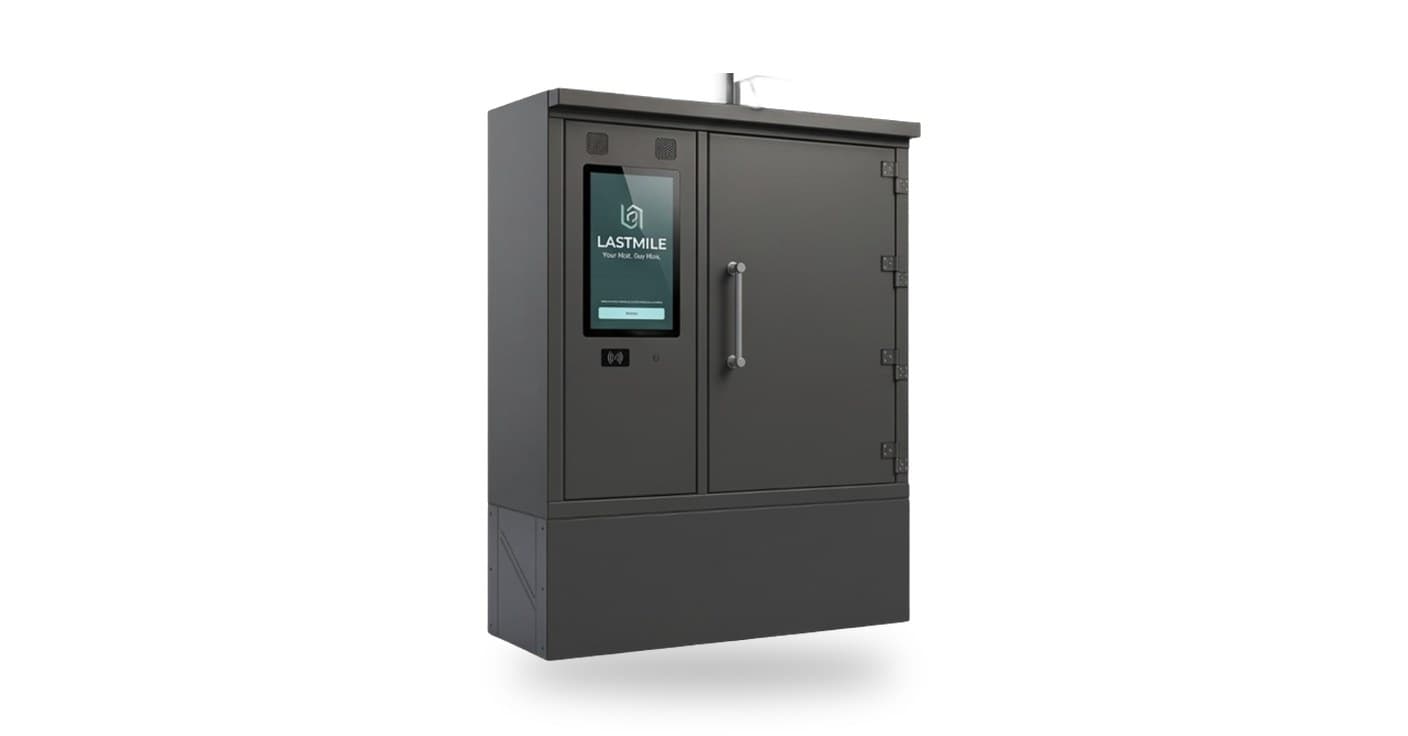
In any facility with areas that mobile devices may not enter, the procedure exists on paper long before a working solution does. What is usually found on the ground is a cabinet with compartments and padlocks, and a notebook at the door.
The problem with that isn't only security but operations: at entry time dozens of people arrive at once, and a guard managing deposits by hand becomes the bottleneck. When that happens, the procedure gets bypassed.
What the system must know
Three facts must be recorded on every deposit: who deposited, what was deposited, and when. The third is what lets you answer, after the fact, whether a given device was inside the facility at a given hour.
Beyond recording, physical certainty is required: a compartment that opens only for the depositor or an authorized officer, not for anyone who knows a general code. A compartment system with personal identification satisfies both conditions at once.
Capacity at peak
The calculation is almost always done wrong. People count the facility's headcount rather than how many enter during the busiest hour, and the compartments run out precisely in the morning.
The right calculation is peak-hour depositors plus headroom for visitors and contractors. Remember too that one person now deposits more than one item: a phone, a smartwatch, and sometimes earbuds.
- Baseline: depositors during the busiest entry hour.
- Add 15 to 20 percent for visitors, contractors and suppliers.
- A larger compartment where laptops are deposited too.
- Separate units at each gate rather than one central bank.
Visitors, contractors and anyone without a badge
A permanent employee identifies with a badge. A one-off visitor doesn't. If the system only handles employees, every visitor falls back to the manual procedure, and the queue at the gate returns with them.
The practical answer is issuing a one-time code at the moment of deposit, printed or sent, expiring at the end of the day. Visitors get a compartment without pre-registration, and the record is still kept.
What else gets deposited at the same point
In many facilities the entrance is also where other items are deposited: personal weapons, cryptographic equipment and sensitive gear. When planning the phone station, it is worth checking whether a smart safe and a key cabinet should be planned alongside it.
The advantage isn't only cost: when every deposit runs through the same management system, you get one entry log, instead of three that have to be cross-referenced.
Frequently asked questions
Can smartwatches and earbuds be deposited too?
Yes, and in practice that is why compartments should be sized a little generously. One person now usually deposits more than one item, and capacity calculated for phones alone runs out fast.
What if someone leaves without collecting?
The system shows the security officer which compartments remain occupied and allows a controlled opening at the end of the day. That opening is recorded exactly like any other action.
Does it work without a network connection?
Yes. The station runs locally on the last synced permissions and stores its log, which uploads when connectivity returns. This is a common requirement where the network is air-gapped.